






How to Choose the Right Ambulance Manufacturer in India: 7 Things to Check
Quick Answer:
To choose the right ambulance manufacturer in India, buyers should verify AIS-125 compliance and government certifications, inspect build quality and manufacturing facilities, confirm customization and medical equipment integration capabilities, and evaluate after sales support, warranty terms and the manufacturer's overall industry reputation before purchase.
Buying an ambulance is not the same as buying any other commercial vehicle. It is a piece of emergency healthcare infrastructure that has to work reliably, every single time, often under pressure. For hospitals, NGOs, state health departments and private fleet operators across India, the manufacturer behind that vehicle matters as much as the vehicle itself.
India's ambulance manufacturing sector has grown steadily alongside the country's push to strengthen emergency medical services and expand healthcare access to smaller towns and rural areas. But not every manufacturer offers the same level of engineering quality, compliance discipline or long term support. This guide walks through what buyers actually need to check before signing a purchase order.
Why Is Choosing the Right Ambulance Manufacturer Important?
The right manufacturer determines how well an ambulance performs over its entire working life, not just on the day it is delivered.
An ambulance is used in high stress situations where patient stability, response time and equipment reliability directly affect outcomes. A poorly built vehicle can break down during a critical transfer, have equipment mounts that fail under road vibration, or lack the electrical capacity to run life support devices continuously. Choosing an experienced, compliant manufacturer reduces these risks significantly.
Beyond safety, the manufacturer relationship also affects operating cost. Fleet operators who work with manufacturers offering strong after sales support tend to see lower downtime and more predictable maintenance budgets over a five to ten year ownership period.
What Does an Ambulance Manufacturer Do?
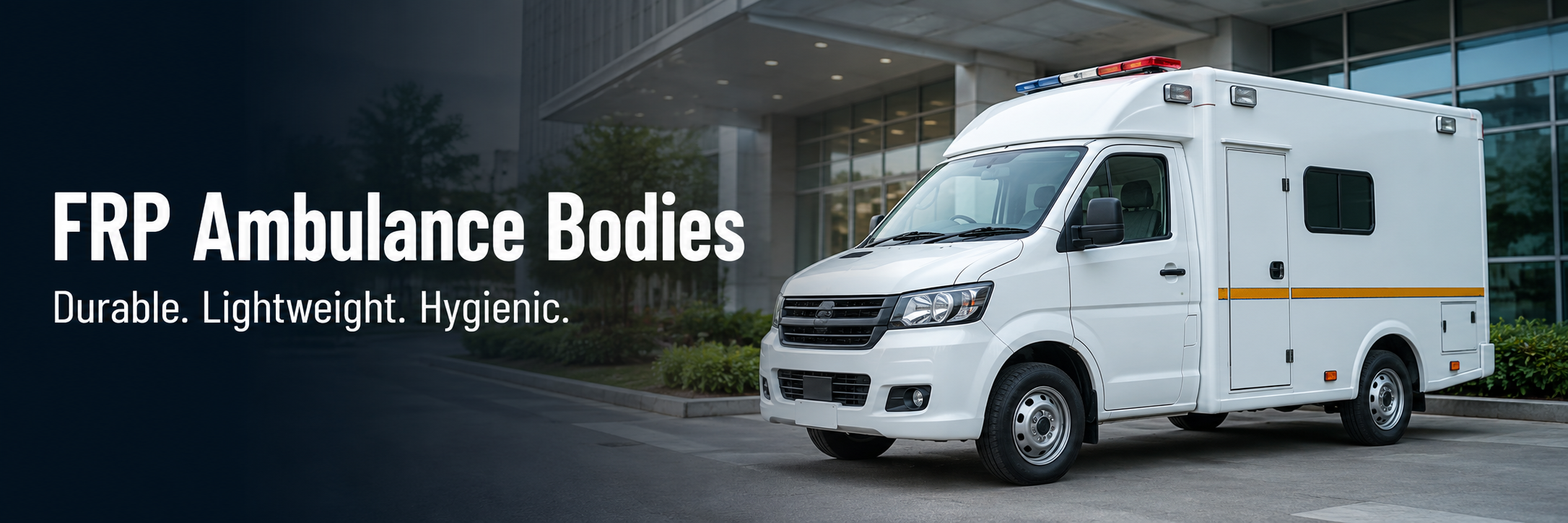
An ambulance manufacturer takes a base vehicle chassis and transforms it into a fully functional emergency medical vehicle through structural fabrication, electrical work and medical equipment integration.
This is different from an ambulance dealer, who typically sells or resells finished vehicles without carrying out the fabrication work themselves. A manufacturer designs the patient compartment layout, installs oxygen supply lines, fits stretcher mounts, wires the electrical system for medical devices, and builds in ventilation, lighting and communication systems. Many manufacturers also handle the sourcing and fitting of medical equipment such as monitors, ventilators, suction units and defibrillator mounts, either in-house or through approved partners.
Because this process involves both automotive engineering and medical device compatibility, the manufacturer's technical capability directly shapes the quality and safety of the finished ambulance.
Why Does Manufacturing Quality Matter?
Manufacturing quality determines whether an ambulance can withstand years of continuous use on Indian roads while keeping the patient compartment safe and functional.
Poor fabrication shows up in ways that are not always visible during a showroom inspection. Weak welding on stretcher mounts, inadequate insulation around electrical wiring, or substandard flooring materials can all lead to failures after months of active service. A well-built ambulance, by contrast, is engineered to handle vibration, temperature variation and constant loading and unloading of patients and equipment without compromising structural integrity.
Quality also affects patient comfort and clinical outcomes. Proper suspension tuning, noise insulation and stable equipment mounting all contribute to a smoother, safer transfer, which matters for patients in critical condition.
What Certifications Should You Verify?
Buyers should confirm that the manufacturer holds AIS-125 type approval, follows applicable Bureau of Indian Standards norms, and builds vehicles in line with National Ambulance Code guidance issued under the broader framework of the Ministry of Health and Family Welfare and the National Health Mission.
AIS-125 is the primary technical standard governing ambulance construction in India. It defines requirements for the patient compartment, medical gas systems, electrical safety, seating and restraint systems, and general vehicle layout for both Basic Life Support and Advanced Life Support ambulances. Type approval under this standard is typically validated through recognized testing agencies connected to the automotive certification ecosystem, including bodies associated with the Automotive Research Association of India.
Manufacturers who can readily provide these certification documents, along with test reports and compliance records, are generally more transparent and easier to hold accountable over the life of the contract.
| Evaluation Factor | Why It Matters | What to Verify |
|---|---|---|
| AIS-125 Compliance | Confirms the vehicle meets national ambulance safety and design standards | Type approval certificate and test reports |
| Manufacturing Experience | Reflects consistency in fabrication quality and problem solving | Years in operation, past order volume, client references |
| Customization Capability | Ensures the ambulance fits specific operational and medical needs | Sample designs, chassis options, equipment integration examples |
| Quality Control Process | Determines long term reliability and structural safety | In-house inspection process, facility visit, warranty terms |
| After Sales Support | Affects fleet uptime and total cost of ownership | Service network coverage, spare parts availability, response time |
What Are the 7 Things to Check Before Choosing an Ambulance Manufacturer?
Buyers should evaluate manufacturing experience, compliance certifications, customization ability, medical equipment integration, facility quality control, after sales support, and pricing and warranty terms before finalizing a supplier.
1. Manufacturing Experience and Industry Reputation
A manufacturer's track record is one of the clearest indicators of reliability. Ask how long the company has been building ambulances, how many vehicles it has delivered, and which hospitals, government bodies or NGOs it has supplied to previously.
Experienced manufacturers tend to have refined production processes and are more likely to have already solved common fabrication challenges. Speaking with existing customers, where possible, gives a realistic picture of build quality and post-delivery support.
2. Compliance with AIS-125 and Government Standards
Every ambulance purchased for institutional or government use in India should meet AIS-125 requirements. Buyers should ask for documentation rather than relying on verbal assurances.
It also helps to check whether the manufacturer stays updated with any revisions to the standard, since compliance requirements can evolve as safety expectations rise across the Indian healthcare system.
3. Customization Capabilities
Different operators need different configurations. A hospital running an Advanced Life Support ambulance has very different requirements from an NGO operating a Basic Life Support unit for rural patient transport.
Check whether the manufacturer can customize the chassis choice, interior layout, patient capacity, storage design and equipment mounting points to match the intended use case, rather than offering a single fixed template for every buyer.
4. Quality of Medical Equipment Integration
The way medical equipment is fitted inside the ambulance affects both usability and patient safety. Monitors, ventilators, suction units and oxygen systems need to be securely mounted, easily accessible and properly powered.
Ask whether the manufacturer has experience integrating specific equipment brands your team already uses, and whether the electrical system is designed to handle the combined load of multiple medical devices running simultaneously.
5. Manufacturing Facility and Quality Control
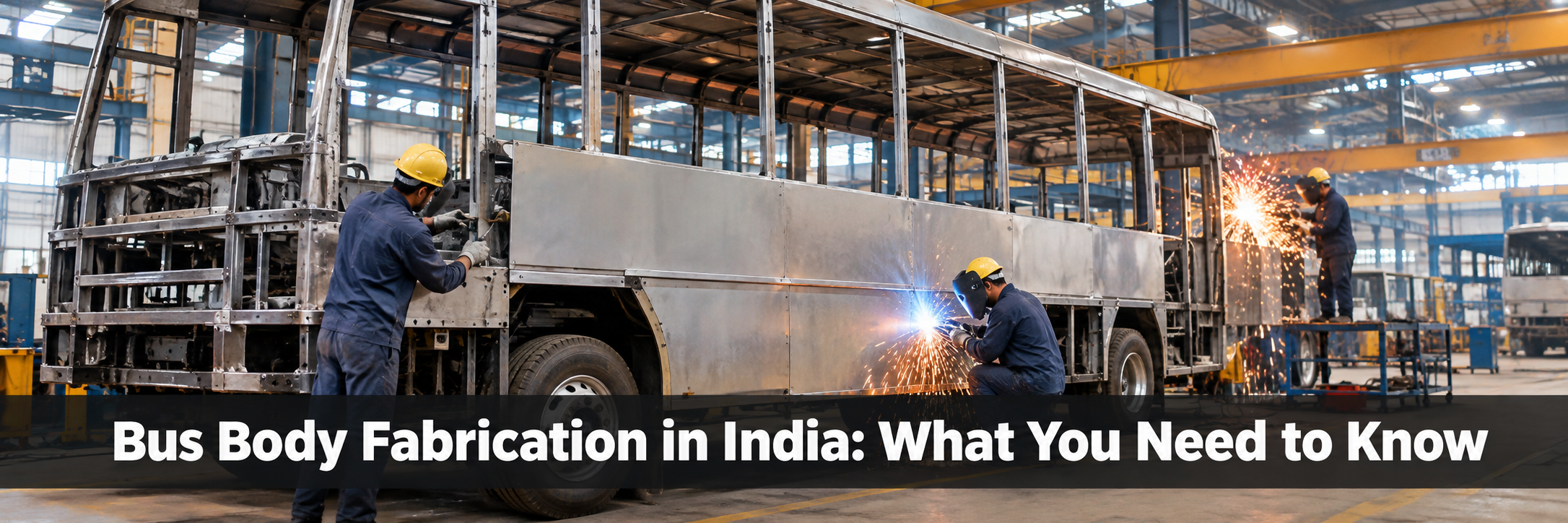
Wherever possible, visit the manufacturing facility before placing a large order. A well-organized facility with defined quality checkpoints, proper fabrication tools and documented inspection processes is a strong signal of consistent output.
Ask about the quality control steps applied at each stage, from chassis preparation to final inspection, and whether vehicles undergo functional testing before dispatch.
6. After Sales Service and Technical Support
An ambulance that is out of service for repairs cannot respond to emergencies. Confirm the manufacturer's service network coverage in your operating region, typical response time for repairs, and spare parts availability.
For fleet buyers managing multiple vehicles across different locations, this factor often matters more than the upfront purchase price.
7. Pricing, Warranty and Long Term Value
Compare pricing alongside warranty coverage, not in isolation. A slightly higher upfront cost paired with a longer warranty and dependable service support can work out more economical over the vehicle's lifecycle than a cheaper option with limited backing.
Ask for a clear breakdown of what the warranty covers, including the chassis, fabrication work and fitted medical equipment separately, since these are sometimes covered under different terms.
| Certification or Standard | What It Covers | Why Buyers Should Check It |
|---|---|---|
| AIS-125 Ambulance Code | Design, safety and construction standards for ambulances | Confirms structural and equipment mounting compliance |
| National Ambulance Code Guidance | Operational classification of Basic and Advanced Life Support ambulances | Ensures the vehicle matches the intended service level |
| Bureau of Indian Standards Norms | Component and material quality benchmarks | Supports overall build reliability |
| Chassis Manufacturer Warranty | Base vehicle mechanical coverage | Separate from fabrication warranty, needs individual verification |
Questions You Should Ask Before Buying an Ambulance
- Can you share your AIS-125 type approval certificate and recent test reports?
- How many ambulances have you delivered in the last two to three years?
- What is your standard warranty period for the chassis, fabrication and fitted equipment?
- Do you have a service center or technician network in our operating region?
- What is your typical spare parts delivery timeline?
- Can we visit your manufacturing facility before placing the order?
- What customization options are available for our specific use case?
Common Mistakes to Avoid
One of the most frequent mistakes buyers make is prioritizing the lowest quote without checking what is excluded from it, such as extended warranty, medical equipment integration or delivery timelines.
Another common issue is skipping a facility visit or reference check, which often reveals gaps between marketing claims and actual production capability. Buyers also sometimes overlook after sales support until a vehicle breaks down, by which point switching manufacturers mid-fleet becomes far more difficult and costly.
Finally, some buyers assume all manufacturers are equally compliant with AIS-125 without requesting documentation, which can create legal and safety complications later, particularly for government or institutional tenders.
How the Right Manufacturer Improves Patient Safety
Patient safety in an ambulance depends on more than just the medical equipment on board. Secure stretcher mounts, stable suspension, reliable electrical systems and adequate lighting all contribute to safer patient handling during transit.
A manufacturer with strong engineering discipline builds these safety considerations into the vehicle from the design stage rather than treating them as an afterthought. This is particularly important for Advanced Life Support ambulances, where continuous monitoring and life support equipment must function without interruption during transport.
Role of Ambulance Manufacturers in India's Healthcare Infrastructure
Ambulance manufacturers form a critical link in India's emergency medical services chain, connecting automotive engineering with public health delivery. As the Indian healthcare system continues to expand emergency response coverage, particularly in tier two and tier three cities, the demand for reliable, compliant ambulances has grown accordingly.
This growth also ties into the broader Make in India push within the automotive and healthcare manufacturing sectors, encouraging domestic production of critical emergency vehicles rather than reliance on imports. Manufacturers that invest in local engineering talent, quality control systems and after sales infrastructure play a direct role in strengthening the country's emergency response capacity.
Future of Ambulance Manufacturing in India
Ambulance manufacturing in India is moving toward greater standardization, more advanced medical equipment integration and, increasingly, exploration of electric and hybrid chassis options for select use cases.
As government health programs continue to expand fleet procurement for public hospitals and emergency response networks, manufacturers are also under growing pressure to scale production without compromising on AIS-125 compliance or build quality. Buyers can expect more manufacturers to invest in dedicated quality control teams, digital service tracking for after sales support, and closer collaboration with medical equipment brands to streamline integration.
Expert Insights
Industry professionals consistently point to two factors that separate dependable ambulance manufacturers from the rest: documented compliance and long term serviceability. A vehicle that looks well finished at delivery but lacks a reliable service backbone often ends up costing more over its operating life than a slightly pricier option backed by strong after sales infrastructure.
Fleet managers who have worked with multiple manufacturers also emphasize the value of a facility visit before large orders, since it reveals process discipline that specification sheets alone cannot show.
| Feature | What to Compare | Impact on Ownership |
|---|---|---|
| Warranty Coverage | Chassis, fabrication and equipment covered separately or together | Affects repair costs during early ownership years |
| Spare Parts Availability | Regional stock and delivery timelines | Directly affects vehicle downtime |
| Service Network Coverage | Number and location of authorized service points | Determines response time for repairs |
| Equipment Integration Support | Experience with specific medical device brands | Reduces compatibility issues post-delivery |
Related Industry Resources
- AIS-125 Ambulance Standards Explained
- Types of Ambulances in India
- Emergency Medical Services in India
- Healthcare Infrastructure in India
- Ambulance Manufacturing Industry
- Medical Equipment Guide
- Fleet Management Best Practices
- Future of Emergency Healthcare
Conclusion - How to Choose the Right Ambulance Manufacturer in India
Choosing the right ambulance manufacturer in India comes down to verifying compliance, inspecting build quality, confirming customization and equipment integration capability, and evaluating after sales support before making a purchase decision. These seven checks, manufacturing experience, AIS-125 compliance, customization, medical equipment integration, facility quality control, after sales service and pricing with warranty, give hospitals, NGOs and fleet operators a practical framework for procurement.
An ambulance is only as reliable as the manufacturer standing behind it. Taking the time to evaluate these factors upfront helps ensure the vehicle performs consistently when it matters most, supporting both patient safety and the long term efficiency of India's emergency healthcare infrastructure.
FAQ
Question: How do I choose the best ambulance manufacturer in India?
Answer: Look at the manufacturer's years of experience, AIS-125 compliance, in-house fabrication capability, quality of medical equipment integration, warranty terms and after sales network. A site visit to the manufacturing facility also helps confirm real production capability before placing an order.
Question: What certifications should an ambulance manufacturer have?
Answer: A credible manufacturer should hold AIS-125 type approval from a recognized testing agency, follow Bureau of Indian Standards guidelines where applicable, and align with National Ambulance Code specifications for both Basic Life Support and Advanced Life Support ambulances.
Question: What is AIS-125?
Answer: AIS-125 is the Automotive Industry Standard that defines the technical and safety requirements for ambulances built in India, covering the cabin layout, medical equipment mounting, electrical systems and patient safety features. It is issued under guidance connected to the Automotive Research Association of India.
Question: Why is after sales service important when buying an ambulance?
Answer: An ambulance runs almost continuously and any downtime affects emergency response. Reliable after sales service, spare parts availability and quick technical support keep the vehicle operational and reduce the total cost of ownership over its working life.
Question: Can ambulance manufacturers customize vehicles?
Answer: Yes. Most established manufacturers offer customization based on chassis type, patient capacity, medical equipment brand preference, oxygen supply systems, ventilator mounts and interior layout, depending on whether the vehicle is for a hospital, NGO or government fleet.
Question: What is the average delivery time for an ambulance?
Answer: Delivery timelines vary based on chassis availability, order volume and customization complexity, and can range from a few weeks for standard configurations to a couple of months for heavily customized Advanced Life Support units. It is best to confirm this directly with the manufacturer during procurement discussions.
Question: How important is manufacturing experience?
Answer: Manufacturing experience matters because ambulance fabrication involves precise engineering, medical equipment integration and compliance knowledge. Manufacturers with a longer track record are generally better placed to handle design changes, quality control and after sales requirements consistently.
Question: What should hospitals check before buying an ambulance?
Answer: Hospitals should verify the manufacturer's certifications, inspect build quality, confirm medical equipment compatibility, review warranty and service terms, and check references from existing fleet customers such as other hospitals or state health departments.
Question: Do manufacturers provide maintenance support?
Answer: Most reputable manufacturers offer scheduled maintenance support, spare parts supply and technical assistance either directly or through authorized service centers. Buyers should confirm the service network coverage in their operating region before finalizing a purchase.
Question: What factors affect ambulance pricing?
Answer: Pricing depends on the chassis type, whether it is a Basic Life Support or Advanced Life Support configuration, the medical equipment fitted, interior fabrication quality, customization requirements and the warranty or service package included with the purchase.