

Force Motors Vehicles in India: Complete Buyer's Guide for Businesses
Quick Answer: Businesses choosing a Force Motors vehicle in India should first define whether they need passenger transport, goods movement, or a special-purpose application such as healthcare mobility. From there, they should evaluate seating or payload needs, operating terrain, fuel costs, service support, safety features, and total cost of ownership before finalising a vehicle and configuration.
Introduction
Choosing a commercial vehicle is rarely a simple decision. A school needs a different vehicle than a logistics company, and a hospital's mobility requirement looks nothing like a hotel's airport transfer fleet. Force Motors, one of India's long-established commercial vehicle manufacturers, produces a range of platforms that serve exactly these varied needs.
This guide is written for business owners, fleet managers, transport operators, healthcare organisations, schools, hotels, and logistics companies who are trying to understand how Force Motors vehicles fit into their operations. It does not promote any specific model. Instead, it walks through the practical considerations that should guide a business buying decision.
What Is Force Motors and What Does It Offer Businesses?
Force Motors is an Indian automotive manufacturer headquartered in Pune, Maharashtra, with a manufacturing history that goes back several decades in the commercial vehicle segment. The company produces passenger vans, minibuses, pickups, utility vehicles, and special-purpose platforms used across India's transport, logistics, and healthcare mobility sectors.
For businesses, Force Motors is relevant because its vehicle range spans multiple categories rather than a single body type. This means a fleet manager evaluating staff transport, a hospital administrator planning ambulance procurement, and a logistics operator sourcing a pickup truck may all be looking at different vehicles from the same manufacturer's lineup.
What Force Motors Vehicles Are Available in India for Businesses?
Force Motors offers several distinct vehicle families that serve different business functions. Understanding these categories is the first step in narrowing down a purchase decision.
Force Motors Passenger Transport Vehicles
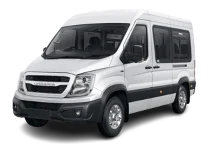
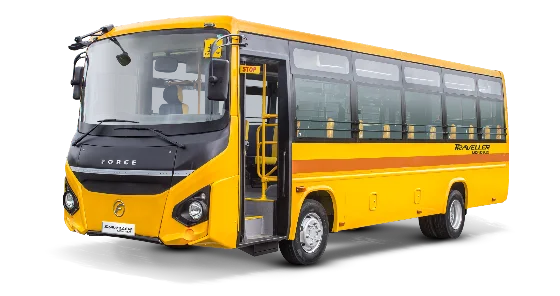
The Force Traveller is one of the most recognised names in India's van and minibus segment, used for school transport, staff commuting, tourism, and intercity passenger movement. It is available across a range of wheelbases and seating layouts, which allows operators to choose a configuration suited to their typical passenger load.
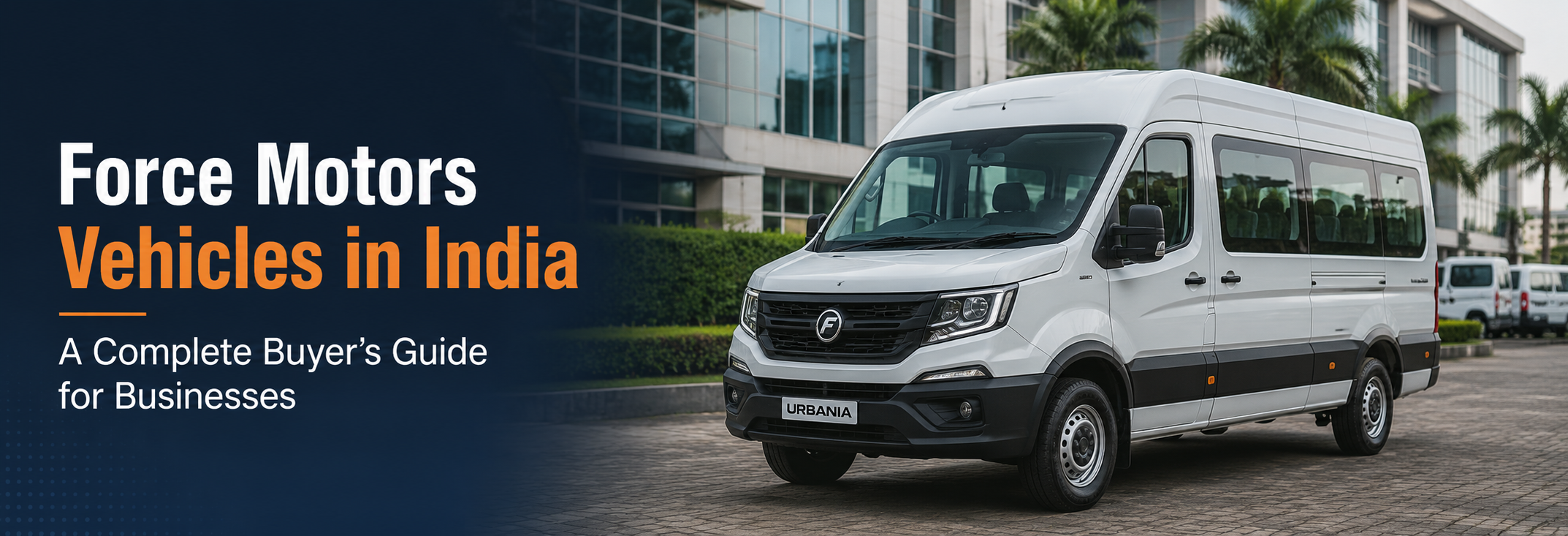
The Force Urbania is a more recently introduced platform positioned at a premium level within the same passenger segment. It is often considered by businesses that want a more comfort-oriented vehicle for corporate shuttle service, airport transfers, or tourism operations where passenger experience matters as much as capacity.
Force Motors Goods and Logistics Vehicles
For goods movement, Force Motors offers pickup and load-carrying variants built on its Trax platform, including the Kargo King range. These vehicles are typically used for last-mile delivery, small business logistics, and light industrial goods transportation, where manoeuvrability and payload flexibility matter more than long-haul heavy trucking capability.
Force Motors Special-Purpose and Healthcare Mobility Applications
Force Motors platforms, particularly Trax-based and Traveller-based variants, are also used as a base for special-purpose bodies, including ambulances, mobile medical units, and institutional vehicles such as school vans. These applications require additional body conversion and equipment fitment beyond the standard commercial variant, which is discussed in more detail later in this guide.
| Vehicle Category | Typical Business Application | Key Buying Consideration |
|---|---|---|
| Force Traveller (Van and Minibus) | Staff transport, school transport, tourism, intercity travel | Seating configuration and wheelbase suited to passenger volume |
| Force Urbania (Premium Van) | Corporate shuttle, airport transfer, hospitality and tourism | Comfort features balanced against total cost of ownership |
| Trax-based Pickups and Kargo King | Last-mile delivery, small business logistics, light goods movement | Payload capacity and route or terrain suitability |
| Trax Ambulance and Traveller-based Medical Platforms | Patient transport, mobile medical units, institutional healthcare fleets | Proper medical body conversion and regulatory compliance |
| Gurkha | Limited business relevance, mainly personal or specialised off-road use | Generally not a primary choice for fleet or passenger business use |
Why Do Businesses Choose Force Motors Vehicles?
Businesses often consider Force Motors because of the manufacturer's long operating history in India's commercial vehicle market and its established dealer and service network across several states. A wide variant spread also means operators can often find a configuration that matches their specific seating or payload requirement rather than settling for an oversized or undersized vehicle.
That said, no single manufacturer is automatically the right choice for every business. Vehicle suitability depends on the specific operational profile, and businesses should compare Force Motors options against their actual requirements rather than assuming any one brand fits every use case.
How Do You Choose the Right Force Motors Vehicle for Your Business?
Selecting the right vehicle involves working through several practical factors in sequence, rather than starting from a specific model name.
Passenger Capacity and Vehicle Utilisation
Businesses should first calculate their typical daily passenger load, not just peak demand. A vehicle sized for occasional maximum capacity may run underutilised most days, increasing the effective cost per trip. Matching seating capacity to average, not peak, usage is usually more cost efficient.
Payload and Cargo Requirements
For goods movement, the relevant figures are payload capacity, cargo volume, and how frequently the vehicle will run at or near its rated load. Regularly overloading a vehicle accelerates wear and creates safety risks, so it is worth sizing the vehicle to typical load plus a reasonable margin, rather than to the absolute maximum expected shipment.
Operating Conditions and Road Usage
Indian road conditions vary widely between city routes, highway stretches, and rural or semi-urban terrain. A vehicle configuration suited to smooth urban roads may not hold up as well on poorly maintained rural routes, and vice versa. Businesses should factor in the actual roads their vehicles will run on, not just the distance travelled.
Fuel Efficiency and Running Costs
Fuel or energy cost is one of the largest recurring expenses in commercial vehicle operation. Businesses should request current, verified fuel efficiency figures for the specific variant they are considering, since claimed mileage can vary by load, route, and driving pattern in real-world use.
Maintenance and Service Support
Vehicle uptime depends heavily on how quickly a breakdown can be diagnosed and repaired. Businesses should check the proximity and capability of authorised service centres, spare parts availability in their operating region, and typical turnaround times before committing to a fleet purchase.
Vehicle Uptime and Fleet Management
For fleet operators, uptime is often more important than any single specification. Preventive maintenance schedules, driver accountability, and a reliable service partner all contribute to keeping vehicles on the road, which directly affects revenue and service commitments.
Safety and Driver Comfort
Safety should be evaluated at two levels: the vehicle's built-in features, such as braking systems and structural design, and how the vehicle is actually operated. Seat belts, driver visibility, proper weight distribution, and regular tyre checks all contribute to safe operation on Indian roads. No vehicle, however well built, can compensate for poor driver training or neglected maintenance.
Total Cost of Ownership
Purchase price is only one part of the ownership equation. A complete evaluation should include financing cost, fuel or energy expense, maintenance, insurance, taxes, driver and operational costs, downtime, and expected resale value. This is covered in more detail in the following section.
| Factor | Why It Matters | What Businesses Should Check |
|---|---|---|
| Route Profile | Determines whether urban, highway, or mixed-condition specification is needed | Typical daily distance and road quality on primary routes |
| Passenger or Payload Fit | Prevents underutilisation or overloading | Average, not just peak, capacity requirement |
| Service Network | Directly affects vehicle uptime | Distance to nearest authorised service centre |
| Financing Terms | Impacts monthly cash flow and total interest paid | Interest rate, tenure, and down payment requirement |
| Resale Value | Affects the effective net cost of ownership | Historical resale trends for the vehicle category |
Are Force Motors Vehicles Suitable for Healthcare and Ambulance Applications?
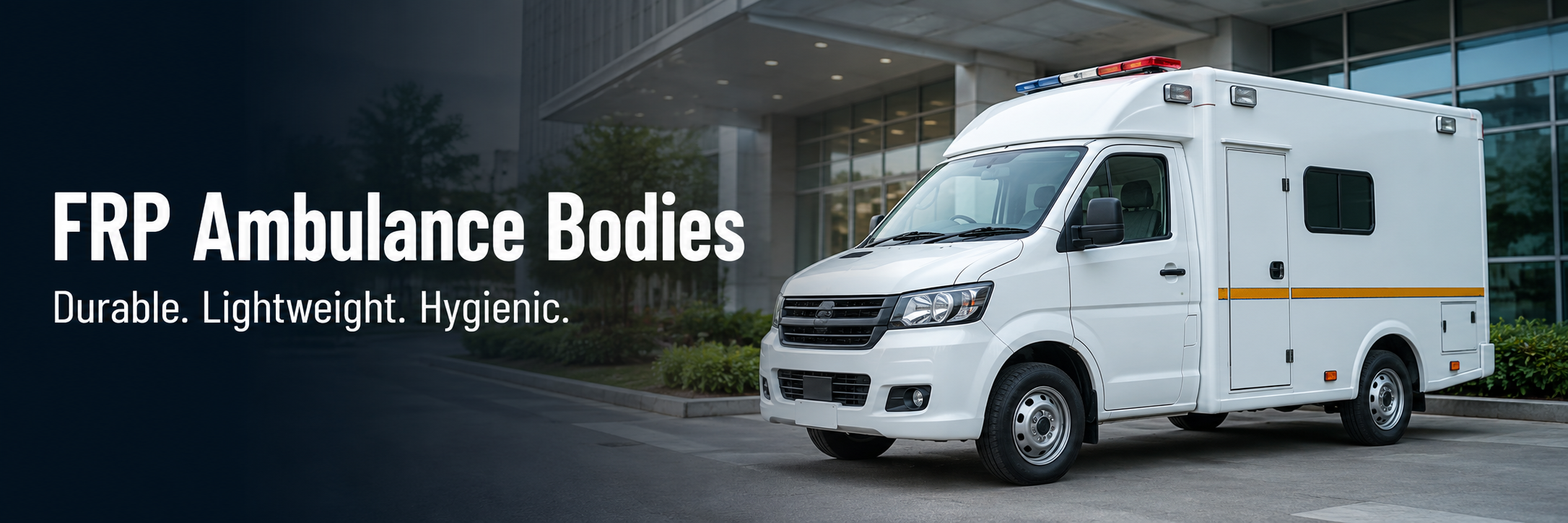
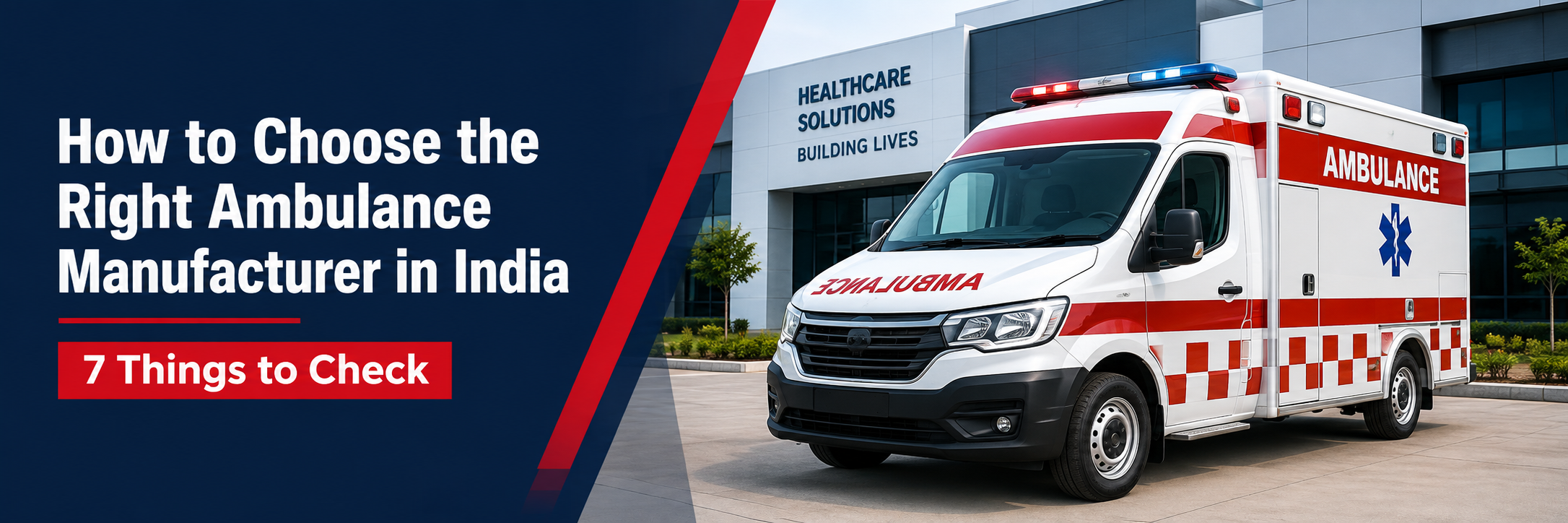
Force Motors platforms, including Trax-based and Traveller-based variants, are used in India as a base for ambulance and patient transport conversions, as well as mobile medical units. This does not mean that every standard passenger or cargo variant is automatically suitable for medical use.
An ambulance or medical vehicle must be treated differently from an ordinary passenger or goods vehicle. It requires a proper body conversion carried out according to applicable healthcare and regulatory requirements, not just the fitting of medical equipment into a standard cabin.
Healthcare organisations and emergency medical service providers evaluating such a vehicle should consider several factors beyond the base chassis:
- Adequate space for medical equipment and patient stretchers
- Accessibility for loading and unloading patients safely
- Reliable electrical systems to support onboard medical devices
- Sufficient workspace for medical staff during transit
- Proper ventilation and infection-control considerations
- Vehicle stability during transport of critical patients
- Availability of emergency equipment storage
- Compliance with applicable ambulance body-building and regulatory standards
Given the sensitivity of patient transport, healthcare institutions should work with body builders and suppliers experienced in ambulance conversion and should confirm compliance with current regulations before deployment. Not every Force Motors variant is designed or intended for every category of medical or emergency transport, and this should be confirmed for the specific use case rather than assumed.
What Is the Difference Between a Passenger Vehicle, Goods Vehicle and Special-Purpose Vehicle?
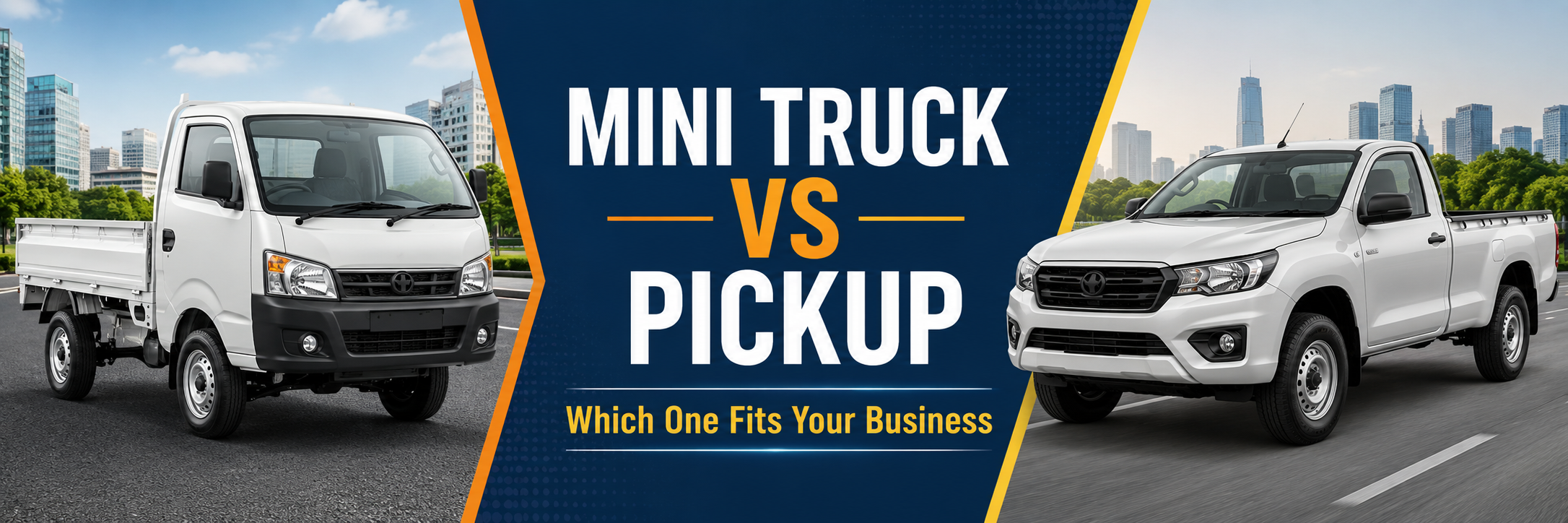
A passenger vehicle, such as the Force Traveller or Force Urbania in standard configuration, is designed and registered primarily to carry people. A goods vehicle, such as a Trax-based pickup or Kargo King variant, is built and registered to carry cargo, with a chassis and body suited to load-bearing rather than passenger comfort.
A special-purpose vehicle, such as an ambulance, mobile medical unit, or institutional van, starts from a base chassis but is then modified with a dedicated body and equipment for its specific function. These three categories are registered and regulated differently under Indian motor vehicle rules, and businesses should not assume that a vehicle registered for one purpose can simply be repurposed for another without proper conversion and re-registration.
| Business Use | Suitable Vehicle Type | Important Considerations |
|---|---|---|
| Employee and staff transportation | Passenger van or minibus | Seating capacity matched to shift-wise headcount |
| School and institutional transport | Passenger van or minibus with safety fitments | Compliance with school transport safety norms |
| Tourism and hospitality transport | Premium passenger van | Passenger comfort and route flexibility |
| Last-mile and small business delivery | Light goods pickup | Payload capacity and urban manoeuvrability |
| Construction and industrial support | Goods carrier with higher payload variant | Load frequency and terrain durability |
| Patient transport and emergency medical services | Properly converted ambulance platform | Regulatory compliance and medical fitment quality |
How Much Does a Force Motors Commercial Vehicle Cost?
It would not be accurate to quote a single fixed price for Force Motors commercial vehicles in this guide, because pricing depends on several variables. These include the specific model, variant, seating or payload configuration, body type, wheelbase, fuel option, the city or state of registration, applicable taxes, and any dealer-level offers in effect at the time of purchase.
Because ex-showroom and on-road prices are periodically revised and can differ by region, businesses should request a current, written quotation from an authorised Force Motors dealer before budgeting for a purchase. This also allows the dealer to confirm which specifications and features are currently offered on the variant being considered, since configurations can change between model years.
What Should Businesses Check Before Buying a Force Motors Vehicle?
Before finalising a purchase, businesses should work through a short evaluation checklist rather than deciding on price or appearance alone.
- Confirm the exact business requirement: passenger transport, goods movement, or special-purpose use
- Match seating or payload capacity to typical, not peak, usage
- Assess the route profile, including urban, highway, and rural conditions
- Review fuel type and realistic running costs for the intended usage pattern
- Check the location and capability of the nearest authorised service centre
- Confirm spare parts availability in the operating region
- Evaluate financing options, including interest rate and tenure
- Understand insurance costs for the specific vehicle category
- Factor in registration, applicable taxes, and compliance requirements
- Consider expected depreciation and resale value over the planned holding period
This checklist helps a business move from a general question, such as what vehicle type is needed, to a specific decision, such as which configuration, seating layout, and variant to actually order.
Government Regulations and Commercial Vehicle Compliance
Commercial vehicles in India operate under regulations set out by the Ministry of Road Transport and Highways, alongside state-level transport authorities that handle registration, permits, and fitness certification. Compliance requirements can vary depending on the vehicle category, such as passenger transport, goods carriage, or special-purpose vehicles like ambulances.
Businesses operating commercial fleets should stay current with applicable permit types, periodic fitness certification, emission norms, and any category-specific requirements relevant to their vehicles. Since regulations can be updated, it is advisable to confirm current requirements with the appropriate regional transport office or a qualified compliance consultant rather than relying on outdated information.
Role of Force Motors Vehicles in India's Business and Mobility Ecosystem
Commercial vehicles play a foundational role in India's broader business and mobility infrastructure, supporting everything from daily employee commutes to emergency medical response. Manufacturers like Force Motors, which produce across passenger, goods, and special-purpose categories, contribute to this ecosystem by offering businesses a range of platforms suited to different operational needs within a single manufacturer relationship.
This matters particularly for sectors such as healthcare mobility and emergency medical services, where vehicle reliability and proper body conversion can directly affect patient outcomes, and for logistics and passenger transport businesses, where vehicle uptime directly affects revenue and service commitments.
Future of Commercial Vehicles in India
India's commercial vehicle segment continues to evolve alongside changing regulations, fuel options, and business mobility needs. Manufacturers across the industry are gradually expanding alternative fuel and electric options for passenger and light commercial vehicles, alongside continued development of diesel and CNG platforms for businesses that require established range and service infrastructure.
Businesses planning long-term fleet investments should keep an eye on emerging fuel and technology options relevant to their operating region, while also recognising that proven platforms with strong service support often remain the more practical near-term choice for demanding commercial applications.
Expert Insights
Experienced fleet managers generally agree on a few recurring principles when evaluating any commercial vehicle, including those from Force Motors. First, the vehicle should be sized to actual, average operational demand rather than occasional peak requirements. Second, service network proximity often matters more day to day than a marginal difference in purchase price. Third, total cost of ownership, not the initial invoice amount, should drive the final decision, since financing, fuel, maintenance, and downtime accumulate over the vehicle's operating life.
For healthcare and institutional buyers specifically, working with body builders and suppliers experienced in regulatory-compliant conversions is essential, since a poorly configured special-purpose vehicle can create both safety and compliance risks.
Conclusion - Force Motors Vehicles in India
Force Motors offers a range of vehicles across passenger transport, goods and logistics, and special-purpose categories that are relevant to many types of Indian businesses, from schools and hotels to logistics companies and healthcare institutions. There is no universal best choice among these vehicles. The right decision depends on a business's specific passenger or payload requirement, operating terrain, service support needs, and total cost of ownership.
Businesses evaluating a Force Motors vehicle should treat this guide as a starting framework, then verify current specifications, variants, and pricing directly with Force Motors or an authorised dealer before making a final purchase decision.
Related Industry Resources
- Commercial Vehicle Industry in India
- Commercial Vehicle Buying Guide
- Ambulance Manufacturing Industry
- Healthcare Mobility in India
- Medical Transportation Guide
- Fleet Management in India
- Road Safety Awareness
- Automotive Manufacturing in India
- Future of Commercial Mobility
- Emergency Medical Services in India
FAQ
Question: Which Force Motors vehicle is best for business use?
Answer: There is no single "best" Force Motors vehicle for every business. The right choice depends on whether the requirement is passenger transport, goods movement, or a special-purpose application such as an ambulance. The Force Traveller and Force Urbania generally suit passenger transport, Trax-based pickups and Kargo King suit goods and logistics, and Trax Ambulance or Traveller-based platforms suit healthcare mobility. Businesses should match the vehicle to route length, payload or seating needs, and operating terrain before deciding.
Question: Is Force Traveller suitable for employee transportation?
Answer: The Force Traveller is widely used for employee and staff transportation in India because it is available in multiple seating configurations, from smaller vans to larger minibus-style layouts. Its suitability for a specific company depends on the number of employees per shift, route distance, and whether air-conditioned or non-air-conditioned variants are needed. Businesses should confirm current seating options and pricing with an authorised Force Motors dealer.
Question: Is Force Urbania suitable for corporate or tourism use?
Answer: The Force Urbania is positioned as a premium van and minibus platform, often used for corporate shuttle service, airport transfers, hotel and hospitality transport, and tourism operations where passenger comfort is a priority. Businesses evaluating it for corporate or tourism use should compare seating capacity, cabin features, and total cost of ownership against their expected utilisation levels.
Question: Are Force Motors vehicles suitable for ambulance conversion?
Answer: Force Motors offers platforms, including Trax-based and Traveller-based options, that are used as a base for ambulance and patient transport conversions in India. However, an ambulance must be properly configured with the required medical fittings, electrical systems, and safety equipment by a qualified body builder, and must meet applicable regulatory and healthcare requirements. Not every base vehicle variant is automatically suitable for every category of medical transport.
Question: What should businesses consider before buying a Force Motors commercial vehicle?
Answer: Businesses should evaluate passenger or payload capacity, route and terrain, fuel type, expected daily running, service network availability, spare parts access, financing options, insurance costs, and total cost of ownership rather than focusing only on the purchase price. Verifying current specifications and pricing with an authorised dealer is also important, since variants and configurations can change.
Question: How much does a Force Motors commercial vehicle cost in India?
Answer: Pricing varies significantly depending on the model, variant, seating or payload configuration, body type, location, and applicable taxes. Because ex-showroom and on-road prices change over time and by region, businesses should request a current quotation from an authorised Force Motors dealer rather than relying on older published figures.
Question: Are Force Motors vehicles good for fleet operations?
Answer: Many businesses use Force Motors vehicles in fleet operations because of the manufacturer's long-standing presence in the Indian commercial vehicle market and its established dealer and service network. Fleet suitability still depends on route planning, maintenance discipline, driver training, and how well the vehicle configuration matches the operational load.
Question: What is the difference between Force Traveller and Urbania?
Answer: The Force Traveller is a long-running, widely used van and minibus platform available across a broad range of seating and body configurations, commonly seen in school transport, staff transport, and ambulance applications. The Force Urbania is a newer platform positioned at a more premium level, generally aimed at corporate, tourism, and comfort-focused passenger transport. Businesses should compare current specifications, seating layouts, and pricing for both before deciding.
Question: What affects the total cost of owning a commercial vehicle?
Answer: Total cost of ownership is influenced by the purchase price, financing cost, fuel or energy expense, scheduled and unscheduled maintenance, insurance premiums, applicable taxes, driver and operational costs, vehicle downtime, and eventual resale value. Businesses that evaluate the full ownership lifecycle, rather than the sticker price alone, generally make more sustainable fleet decisions.
Question: Where should businesses verify the latest Force Motors specifications?
Answer: Businesses should verify current specifications, variants, features, and pricing directly with Force Motors or an authorised Force Motors dealer, since commercial vehicle configurations and prices are periodically updated and can vary by region.