What Is a Mobile Medical Unit and Why Every District Needs One
Quick Answer: A Mobile Medical Unit (MMU) is a fully equipped medical clinic on wheels that delivers essential healthcare services directly to underserved and remote communities. By bringing doctors, diagnostics, and medicines to people's doorsteps, MMUs help bridge critical healthcare gaps at the district and village level across India and globally.
Introduction: Healthcare That Comes to You
In an ideal world, every person regardless of where they live would have access to a doctor, a diagnostic lab, and a pharmacy within a reasonable distance. The reality, however, is far more uneven. Millions of people in rural India and across the developing world live hours away from the nearest health centre. For the elderly, the sick, or those without transport, that distance can mean the difference between early treatment and a medical crisis that could have been prevented.
This is precisely where Mobile Medical Units step in. Over the past two decades, MMUs have evolved from basic health vans into sophisticated, technology-enabled clinics on wheels. They are no longer just a stopgap solution they are increasingly recognised as a core pillar of any strong district-level public health system.
In this article, we explore what a Mobile Medical Unit really is, how it works, what services it delivers, and most importantly why every district in India and beyond needs at least one.
What Is a Mobile Medical Unit?
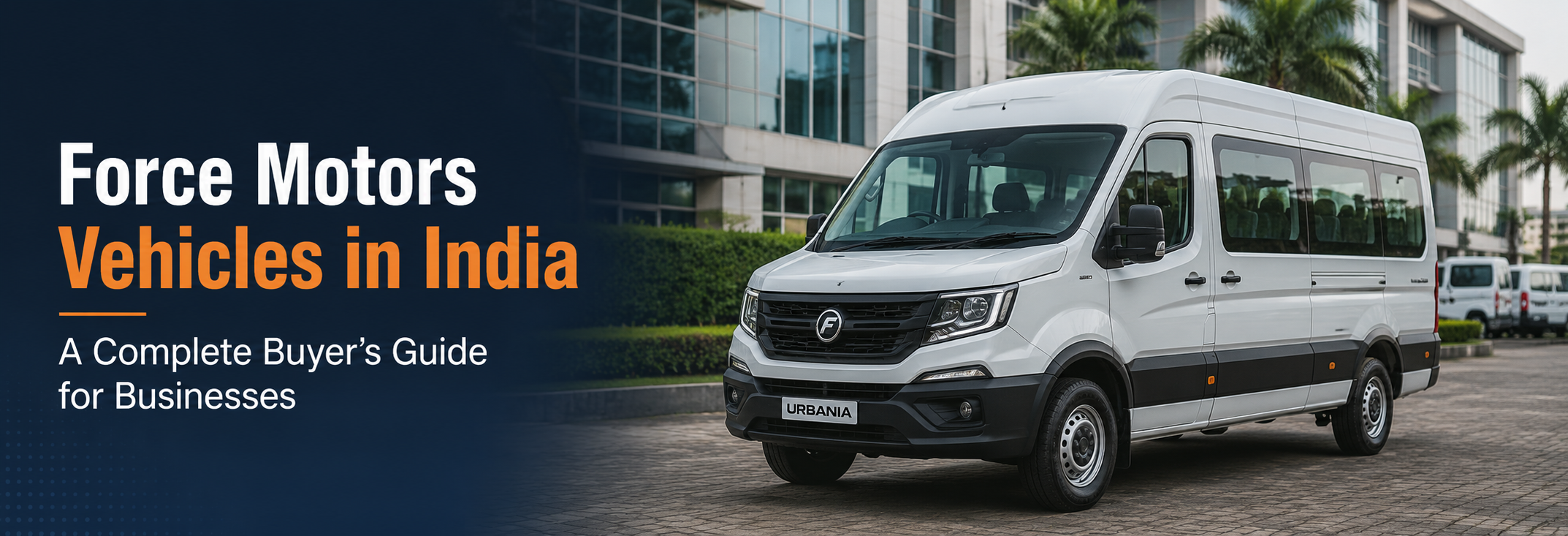
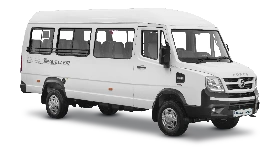
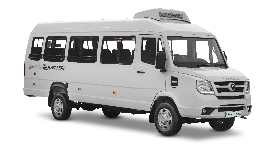
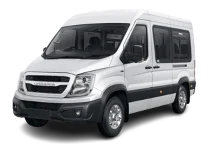
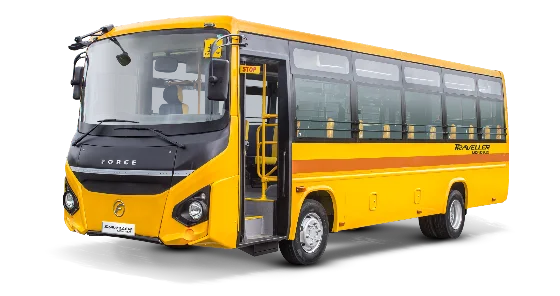
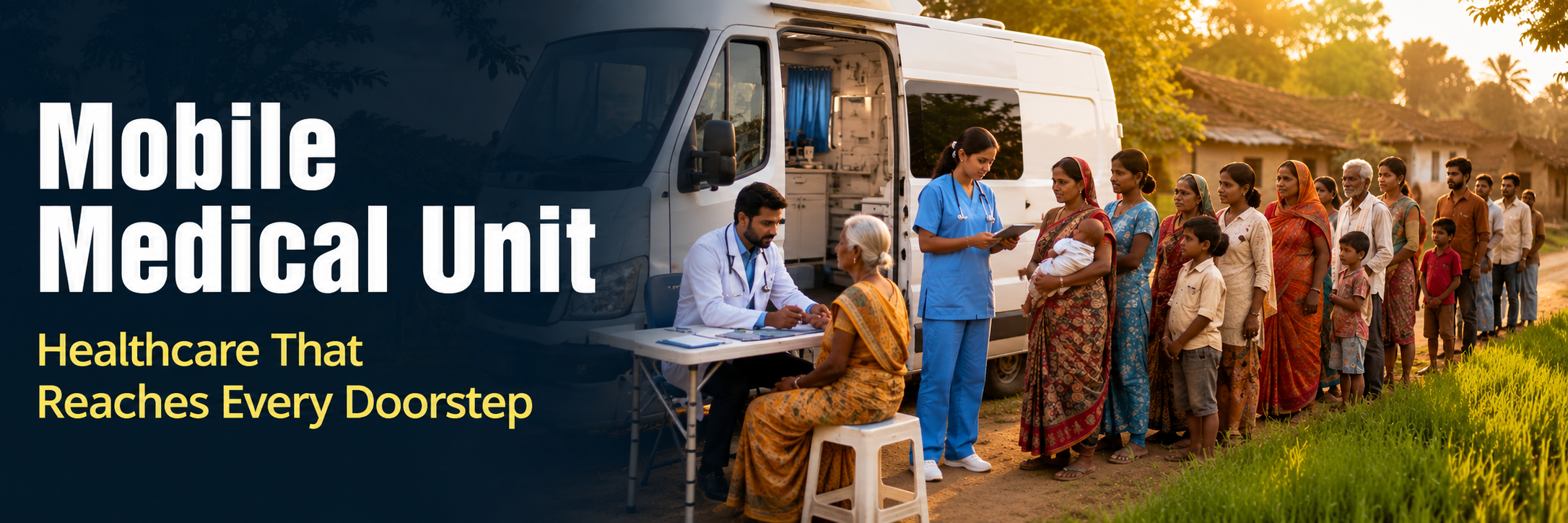
A Mobile Medical Unit (MMU) is a specially designed vehicle usually a large van, bus, or truck that has been converted into a functional medical facility. It carries a team of healthcare professionals, essential medicines, diagnostic equipment, and health education materials. The unit travels on a pre-planned route to reach communities that have limited or no access to fixed healthcare infrastructure.
Think of it as a primary health centre that travels. Instead of patients walking kilometres to a clinic, the clinic comes to them to their village, their workplace, their community gathering point.
MMUs are not new. The concept has been in use for decades across various countries. But in India, their deployment has received major policy momentum through the National Health Mission (NHM), which has made MMUs a key instrument for achieving universal health coverage in remote and underserved areas.
Why Are Mobile Medical Units Important for Healthcare Access?
The healthcare landscape in India reveals a stark divide. According to rural health statistics, a significant portion of India's population particularly in states like Uttar Pradesh, Bihar, Madhya Pradesh, Jharkhand, Rajasthan, and Odisha lives in areas where Primary Health Centres (PHCs) and Community Health Centres (CHCs) are either understaffed, undersupplied, or simply too far away.
For many communities, accessing healthcare means losing a day's wages, arranging transport, and travelling on poor roads sometimes with a sick child or an elderly parent in tow. Many simply choose not to go, delaying treatment until conditions become critical.
Mobile Medical Units disrupt this pattern. They reduce the cost of healthcare access not just financially but in terms of time, effort, and psychological barriers. When a medical van arrives at your village on a scheduled day each week, healthcare becomes a routine part of community life rather than an emergency option of last resort.
| Healthcare Challenge | How MMUs Help | Expected Impact |
|---|---|---|
| Distance from health facilities | Bring services directly to the community | Higher treatment uptake and reduced delays |
| Shortage of doctors in rural areas | Deploy rotating medical teams on scheduled routes | Expanded medical reach without new infrastructure |
| Low preventive healthcare awareness | Conduct health education and screening camps | Early disease detection and better health literacy |
| High maternal and infant mortality | Provide antenatal, postnatal, and child health services | Improved maternal health indicators |
| Limited diagnostic access | Carry portable labs and diagnostic devices | Faster diagnosis and timely referrals |
How Do Mobile Medical Units Work?
The operational model of an MMU is built around predictability and community trust. Each unit is assigned a fixed circuit a set of villages, wards, or habitations that it visits on a regular schedule, often weekly or fortnightly. Communities are informed in advance through local health workers, ASHA workers, and gram panchayat announcements.
On the day of the visit, the MMU parks at a central, accessible location a school ground, community hall, or market area. The medical team sets up their workstations, registers patients, conducts consultations, performs basic diagnostics, and distributes medicines. Patients needing further care are referred to the nearest PHC, CHC, or district hospital, and in some cases, arrangements are made for their transport.
Here is a simplified view of how an MMU operates during a typical outreach visit:
- Pre-visit community mobilisation by ASHA and ANM workers
- Arrival and setup at the scheduled location
- Patient registration and health record creation
- Medical consultation by the doctor or nurse practitioner
- Diagnostic tests (blood pressure, blood glucose, haemoglobin, etc.)
- Medicine distribution from the on-board pharmacy
- Health education sessions on nutrition, hygiene, and disease prevention
- Referral of complex cases to higher facilities
- Data recording and submission to the district health management system
What Services Do Mobile Medical Units Offer?
The service portfolio of an MMU varies depending on its design, staffing, and the specific health priorities of the area it serves. However, most MMUs operating under NHM guidelines provide a broad spectrum of preventive and primary healthcare services.
| Service Category | Specific Services Provided | Target Population |
|---|---|---|
| General OPD | Fever, cough, infections, minor injuries, pain management | All age groups |
| Maternal and Child Health | ANC checkups, postnatal care, immunisation, growth monitoring | Pregnant women, infants, children under 5 |
| Non-Communicable Disease Screening | Blood pressure, diabetes, cancer screening, BMI assessment | Adults and elderly |
| Diagnostics | Blood tests, urine analysis, ECG, haemoglobin, blood sugar | As referred by the doctor |
| Eye and Dental Care | Vision testing, spectacle distribution, dental checkup | School children, elderly |
| Mental Health | Counselling, NMHP-linked services, referrals | Adolescents, adults, elderly |
| Health Education | Nutrition, hygiene, family planning, disease prevention | All community members |
| Medicine Distribution | Essential drugs from Jan Aushadhi and NHM lists | All patients attending the camp |
Key Components of a Mobile Medical Unit
A well-designed MMU is not just a van with a first-aid kit. It is a purpose-built mobile clinic with carefully planned spaces and equipment. The typical components of a standard MMU include:
- Consultation cabin: A private space for doctor-patient consultation, maintaining patient dignity and confidentiality
- On-board pharmacy: Stocked with essential medicines from the National List of Essential Medicines (NLEM)
- Diagnostic equipment: Portable glucometer, haemoglobinometer, BP apparatus, pulse oximeter, ECG machine, and sometimes a portable ultrasound
- Cold chain facility: For storing vaccines and temperature-sensitive medicines
- Power supply: Generator or solar panels for uninterrupted operation in areas without grid electricity
- Medical records system: Digital or paper-based patient registration and health record management
- Waiting area: Shaded space for patients queuing for services
- Communication equipment: Telemedicine systems, GPS, and mobile connectivity for real-time reporting
The Role of Mobile Medical Units in Rural and Remote Healthcare
India's rural healthcare system, despite significant improvements over the years, continues to face deep structural challenges. The Rural Health Statistics published by the Ministry of Health and Family Welfare consistently highlight shortfalls in doctors, specialists, and paramedical staff at PHCs and CHCs. Many sub-centres function without regular medical officers. Roads to interior villages are often impassable during monsoons.
In this context, Mobile Medical Units serve as a bridge between what the formal healthcare system can currently offer and what communities actually need. They do not replace hospitals or health centres they extend their reach. By operating on circuits that are specifically designed to cover the most underserved geographies, MMUs ensure that people who would otherwise receive no formal healthcare get at least a baseline level of preventive and primary services.
For tribal communities in states like Jharkhand, Chhattisgarh, and Odisha where forest terrain and poor connectivity make fixed facilities impractical MMUs represent the only regular contact with formal healthcare. Similarly, for migrant labour communities, border districts, and island territories, mobile health services fill a gap that no amount of hospital construction can easily address.
Benefits for District-Level Healthcare Systems
From a district health administration perspective, MMUs offer advantages that go well beyond just reaching remote areas. They strengthen the entire district health ecosystem in several important ways.
- Reduced burden on secondary and tertiary hospitals: By handling primary care needs at the community level, MMUs prevent unnecessary footfall at district hospitals and medical colleges, allowing those facilities to focus on cases that genuinely require advanced care.
- Improved health data collection: MMU visits generate ground-level health data disease prevalence, immunisation coverage, NCD screening results that district health officials can use for better planning and resource allocation.
- Faster outbreak detection: Because MMU teams visit communities regularly, they are often the first to notice unusual spikes in fever cases, respiratory illness, or other potential outbreak indicators, enabling early public health response.
- Support to ASHA and ANM networks: MMU visits reinforce the work of frontline health workers, allowing ASHAs and ANMs to refer patients directly to the unit and ensuring follow-up on previously identified cases.
- Improved immunisation coverage: By reaching children and pregnant women in remote hamlets, MMUs directly contribute to improving district-level immunisation indicators under the Universal Immunisation Programme (UIP).
Government Initiatives Supporting Mobile Medical Units in India
The Government of India has recognised MMUs as a critical component of the public health delivery system. Multiple national-level programmes and policy frameworks support their expansion and operation.
Under the National Health Mission (NHM), which covers both the National Rural Health Mission (NRHM) and the National Urban Health Mission (NUHM), states receive funding specifically for procuring and operating MMUs. The NHM framework places MMUs as part of the flexible fund pool that state health departments can deploy based on local needs.
The Ayushman Bharat initiative, particularly through its Health and Wellness Centres (HWCs) component, also integrates MMU services as outreach mechanisms. Some HWCs use MMU circuits to extend their service area beyond the immediate catchment zone of the fixed centre.
Several state governments have launched dedicated MMU programmes. Rajasthan's "Mukhyamantri Nishulk Dawa Yojana" and Odisha's mobile health programmes have used MMUs as primary delivery vehicles. Uttar Pradesh has deployed hundreds of MMUs under its state health mission to cover underserved blocks.
Corporate Social Responsibility (CSR) funding has also played a meaningful role, with companies in the infrastructure, energy, and technology sectors sponsoring MMU fleets in districts where they operate, often in coordination with local district administrations.
Impact on Public Health and Community Welfare
The public health impact of well-run MMU programmes is measurable and significant. Communities served by regular MMU circuits show improved health-seeking behaviour over time. People who have interacted with MMU teams are more likely to visit health centres, get their children vaccinated, and follow up on chronic conditions like hypertension and diabetes.
For women, in particular, MMUs create a safe, accessible space to discuss reproductive health concerns that they may not otherwise seek care for. Adolescent girls benefit from iron-folic acid supplementation, menstrual hygiene education, and early detection of anaemia all of which are commonly delivered through MMU programmes.
Elderly citizens who often have the most complex health needs and the greatest difficulty travelling benefit enormously from MMU visits. Regular blood pressure monitoring, diabetes management support, and medication refills help prevent complications that could otherwise lead to hospitalisation.
Challenges and Opportunities in Mobile Healthcare Delivery
Despite their clear value, MMU programmes in India and elsewhere face real operational challenges that limit their effectiveness if not addressed systematically.
- Maintenance and vehicle downtime: MMUs are complex vehicles with specialised equipment. Without dedicated maintenance budgets and technical support, units frequently go out of service for extended periods.
- Staffing continuity: High turnover among medical officers and paramedical staff disrupts the trust-building process with communities, reducing uptake.
- Supply chain management: Ensuring that medicines and consumables are consistently stocked across all units requires robust logistics management.
- Community awareness: Even with scheduled visits, community participation depends on effective advance communication. In areas with low literacy or mobile connectivity, reaching people with schedule information remains a challenge.
- Data integration: MMU health records often remain disconnected from the district health information system, limiting the ability to track patient outcomes over time.
These challenges, however, are solvable. And the opportunity cost of not addressing them the health outcomes lost when MMUs remain parked rather than deployed is far too high.
Technology and Innovation in Mobile Healthcare
The next generation of Mobile Medical Units is being shaped by rapid advances in health technology. Several innovations are already transforming what these units can do:
- Telemedicine integration: MMUs equipped with video consultation systems can connect patients in remote areas with specialist doctors in urban hospitals in real time, enabling secondary-level consultation at the community's doorstep.
- Portable diagnostics: Compact, battery-powered versions of pathology analysers, portable ultrasound machines, and digital X-ray units are making advanced diagnostics possible outside hospital walls.
- Ayushman Bharat Digital Mission (ABDM) linkage: Connecting MMU services with the ABDM ecosystem — including Health IDs, digitised health records, and interoperable health platforms — creates continuity of care across visits and facilities.
- AI-assisted screening tools: Artificial intelligence tools for diabetic retinopathy screening, tuberculosis detection, and cervical cancer identification using smartphone cameras are being piloted in mobile health settings, dramatically increasing the diagnostic value of a single visit.
- Solar-powered operations: Solar panels and battery backup systems are making MMUs energy-independent, allowing them to operate in areas where electricity is unreliable or absent.
- GPS and route optimisation: Digital fleet management systems help health departments track MMU locations, optimise routes, monitor attendance, and plan coverage more effectively.
Why Every District Should Invest in a Mobile Medical Unit
The case for every district urban, semi-urban, or rural to have at least one dedicated Mobile Medical Unit is not just a matter of health equity. It is a matter of healthcare system efficiency, economic productivity, and long-term development.
Districts that invest in MMU fleets see compounding benefits. Early detection of diabetes, hypertension, and tuberculosis through MMU screenings reduces the future burden of advanced treatment costs on district hospitals. Improved maternal health outcomes reduce the social and economic costs of maternal and infant mortality. Communities with access to regular preventive care are healthier, more productive, and less reliant on emergency healthcare all of which translates into tangible gains for the district economy.
From a governance perspective, MMUs are also a visible demonstration of the government's commitment to its citizens' health. In districts where trust in public health institutions has historically been low, a reliable, regularly arriving mobile clinic is a powerful signal that the system cares and that it is working.
| District Type | Primary Health Needs Addressable by MMU | Recommended MMU Deployment |
|---|---|---|
| High-density rural district | Maternal health, child nutrition, TB, malaria | 2–4 units covering block-level circuits |
| Tribal / forest district | Sickle cell disease, malnutrition, infectious diseases | Specialised tribal health MMUs with interpreter support |
| Semi-urban / peri-urban district | NCDs, mental health, migrant worker health | Urban circuit MMUs targeting unplanned settlements |
| Coastal / island district | Waterborne diseases, fishing community health | Boat-mounted or amphibious mobile health units |
| Border / conflict-affected district | Emergency care, mental health, communicable disease control | Rapid-deployment MMUs with telemedicine capability |
Expert Insights: What Health Leaders Say About Mobile Healthcare
Public health experts and district health administrators who have worked with MMU programmes consistently emphasise two things: first, that the community trust built through regular MMU visits is irreplaceable; and second, that the cost-effectiveness of mobile healthcare when properly managed is far superior to the alternative of expanding fixed infrastructure alone.
Health economists have noted that the cost per patient contact through a well-run MMU is significantly lower than the equivalent cost at a hospital outpatient department, particularly when indirect costs to patients (transport, lost wages, waiting time) are factored in. For resource-constrained health systems, this makes MMUs not just a humanitarian choice but a fiscally rational one.
The World Health Organization's frameworks on Universal Health Coverage also recognise mobile and outreach health services as essential components of a people-centred health system one that goes where the patients are, rather than waiting for patients to come to it.
Conclusion: The Road to Health Runs Through Every Village
A Mobile Medical Unit is, at its core, a commitment. It is a district, a state, or a nation saying: we will not allow geography to determine who receives healthcare and who does not. It is a practical, proven, and increasingly sophisticated tool for delivering that commitment on the ground.
India has made significant strides in health infrastructure from the expansion of AIIMS hospitals to the rollout of Ayushman Bharat's Health and Wellness Centres. But the last mile of healthcare delivery remains the hardest mile. MMUs are purpose-built to cover that last mile one village, one community, one family at a time.
Every district that invests in a Mobile Medical Unit is investing in preventive care that saves lives, diagnostic capability that catches diseases early, and community engagement that builds lasting health behaviour change. The return on that investment measured in reduced mortality, lower hospitalisation rates, and healthier, more productive communities is substantial and enduring.
The road to equitable health runs through every village. And it is time that healthcare followed.
Related Industry Resources
- Rural Healthcare in India
- National Health Mission Programs
- Public Health Infrastructure Development
- Ayushman Bharat Initiatives
- Healthcare Accessibility Challenges
- Future of Mobile Healthcare Services
FAQ
Q1. What is a Mobile Medical Unit (MMU)?
A Mobile Medical Unit (MMU) is a healthcare vehicle that works like a small clinic on wheels. It travels to villages, tribal areas, and remote locations where people may not have easy access to hospitals or health centres. These units are equipped with medical staff, basic diagnostic equipment, and medicines to provide healthcare services directly to communities.
Q2. What services does a Mobile Medical Unit provide?
Mobile Medical Units offer a variety of healthcare services, including doctor consultations, health checkups, maternal and child healthcare, vaccination support, blood pressure and blood sugar testing, distribution of medicines, eye and dental screenings, and health awareness programmes. Some modern MMUs also provide telemedicine services that connect patients with specialist doctors.
Q3. Who manages Mobile Medical Units in India?
Most Mobile Medical Units in India are operated under the National Health Mission (NHM) through state health departments. In addition, several NGOs, charitable organisations, and private companies run MMUs through partnerships with government agencies and corporate social responsibility (CSR) programmes.
Q4. How are Mobile Medical Units funded in India?
Mobile Medical Units are mainly funded by the Central and State Governments through healthcare programmes such as the National Health Mission. Additional financial support may come from CSR initiatives, non-governmental organisations, and international health agencies working to improve healthcare access in underserved areas.
Q5. Who benefits the most from Mobile Medical Units?
Mobile Medical Units are especially beneficial for people living in rural and tribal areas where healthcare facilities are limited. They also help pregnant women, young children, elderly citizens, migrant workers, daily wage earners, and people living in remote regions who may find it difficult to travel long distances for medical care.
Q6. How many Mobile Medical Units operate in India?
Thousands of Mobile Medical Units are currently operating across India under different government and healthcare programmes. States with large rural populations, such as Uttar Pradesh, Rajasthan, Madhya Pradesh, and Odisha, have deployed a significant number of MMUs to improve healthcare access in remote communities.
Q7. What is the difference between a Mobile Medical Unit and an ambulance?
An ambulance is mainly used to transport patients during medical emergencies and provide immediate care while travelling to a hospital. A Mobile Medical Unit, on the other hand, functions as a travelling clinic that visits communities on a regular schedule to provide consultations, screenings, medicines, and preventive healthcare services.
Q8. Can Mobile Medical Units help reduce maternal and infant mortality?
Yes, Mobile Medical Units can make a positive impact on maternal and infant health. They provide antenatal checkups, postnatal care, nutritional guidance, vaccination support, and early detection of health complications. These services help ensure timely treatment and improve health outcomes for mothers and children.
Q9. What technology is used in modern Mobile Medical Units?
Many modern Mobile Medical Units are equipped with digital health records, telemedicine systems, portable diagnostic devices, ECG machines, ultrasound equipment, GPS tracking systems, and solar power backup. These technologies help improve the quality and efficiency of healthcare services delivered in remote areas.
Q10. Why should every district invest in Mobile Medical Units?
Every district can benefit from Mobile Medical Units because they bring healthcare closer to people who need it most. MMUs help identify diseases early, reduce travel expenses for patients, improve access to essential healthcare services, and reduce pressure on hospitals. They play an important role in ensuring that quality healthcare reaches every community, regardless of location.